

1. What was the issue for which you engaged Turner, and why was it necessary? What made it complex or ‘wicked’?
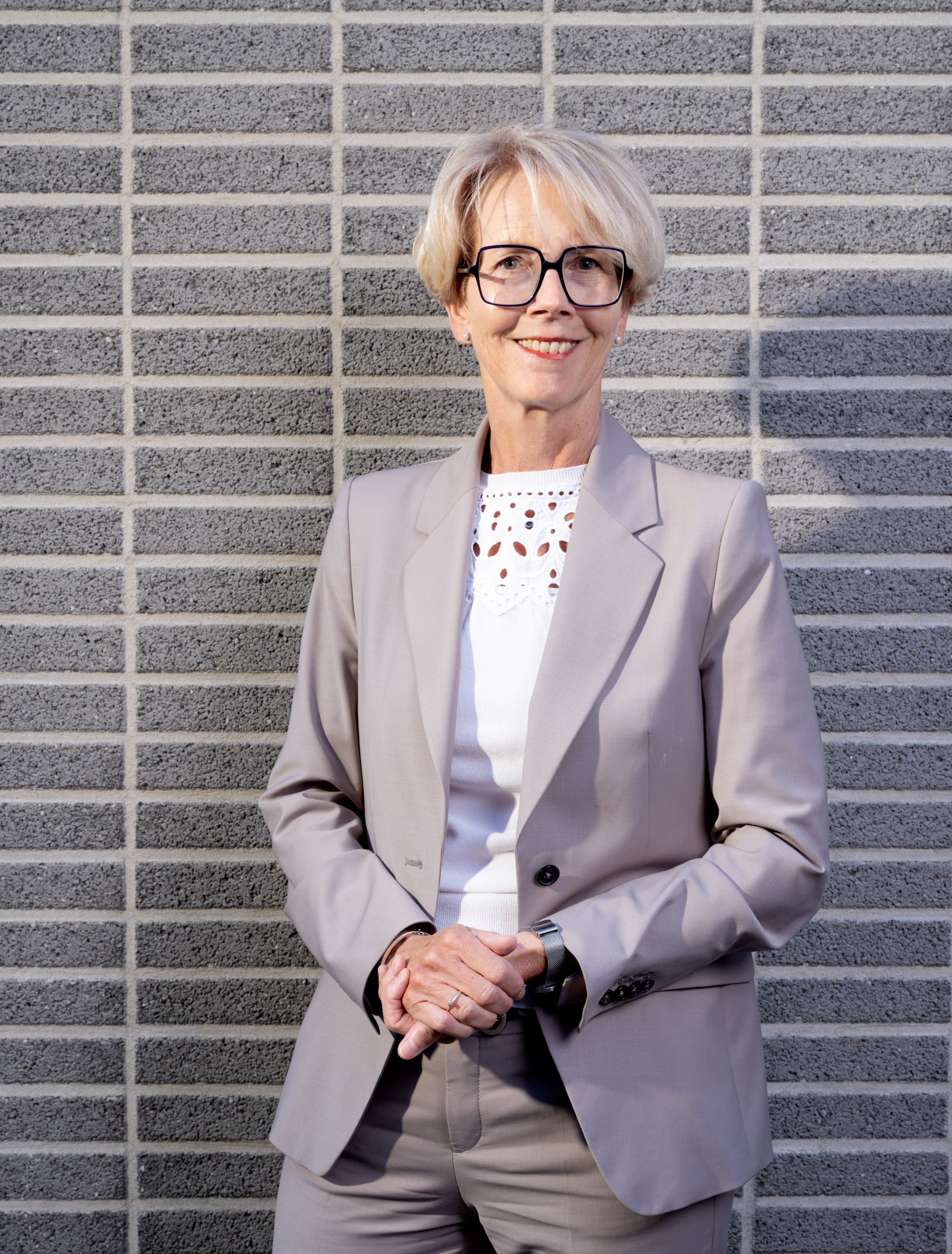
Yvonne begins: “Our strategic agenda states that we want to be part of the regional ecosystem, with key themes being smart, clean and social. We also want to align our portfolio with that agenda. Portfolio management wasn’t new to us. But it became increasingly clear that an extra impulse was needed. As a large institution with over 34,000 students, it’s quite a challenge to make well-supported and broadly accepted choices. Meanwhile, the sense of urgency continued to grow – also financially.”
 2. How was the process estblished?
New insights and the urgency to act prompted HAN to take quick, concrete steps. That was the point at which Turner was brought in to help define the new portfolio strategy.
Erik: “We needed external brainpower and capacity, and we knew Turner from previous projects, including our HAN 2022–2028 strategic framework. See Figure 1: HAN Portfolio Value Strategy. We knew Turner works carefully, always starts by listening to all stakeholders, and then comes back with concrete proposals. And: they bring pace.”
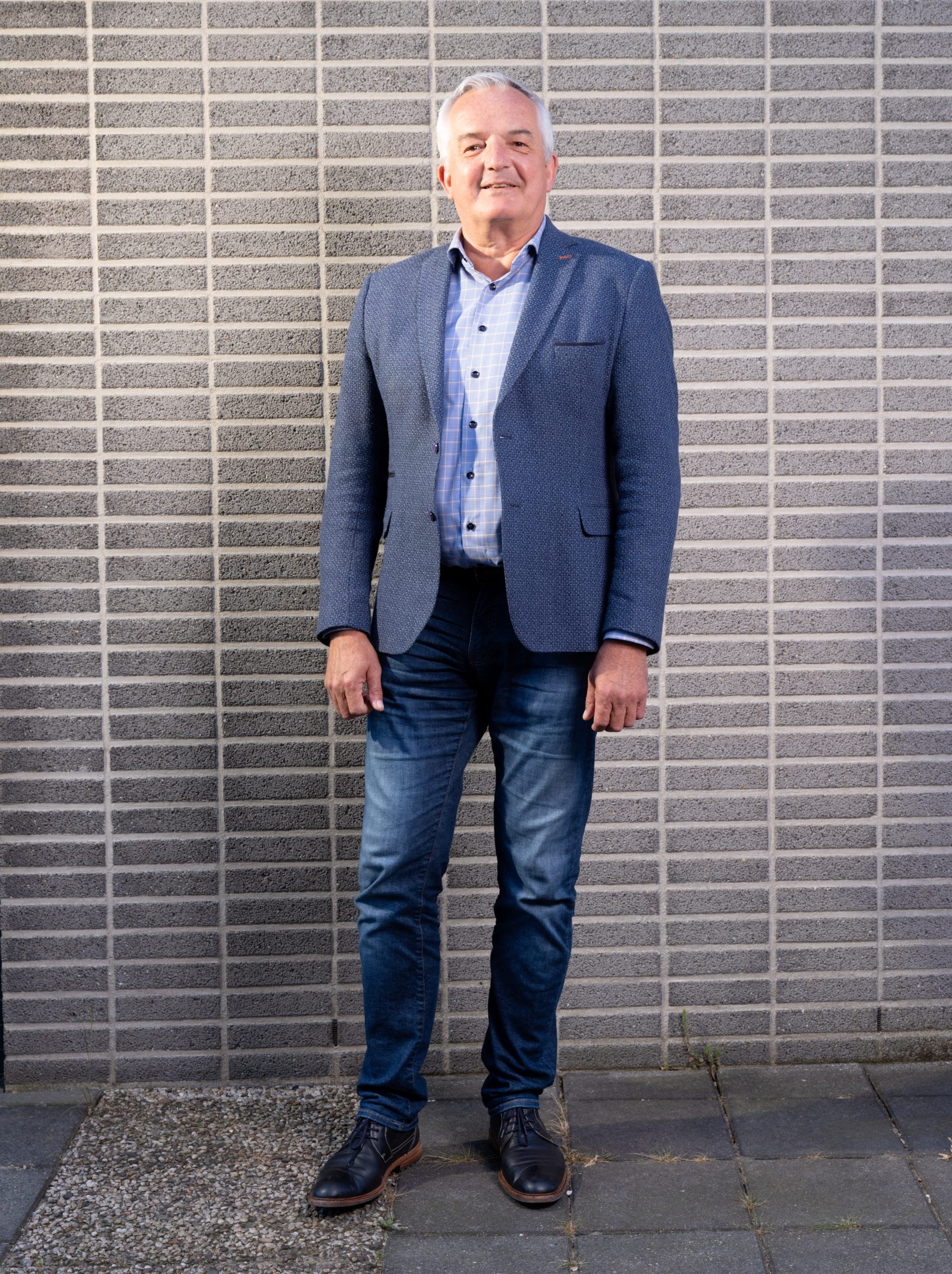
Yvonne adds: “We were looking for an institution-wide approach.” Aly elaborates: “Our 13 academies were used to solving things themselves. But this time, the challenge involved cross-academy programmes and research.”
Turner viewed it the same way. Alex: “In transformation challenges, collaboration is essential. It’s about interests. On top of that, portfolio management is a cyclical process that you must keep running. At HAN, that process hadn’t really taken off yet.” Jasmijn adds: “You wanted to steer in time, before it became too late.” Aly continues: “The question was: how do we build momentum?”

 3. What made the breakthrough possible – substantively, organisationally or project-wise?
At the start of 2025, HAN adopted the new portfolio value strategy for education and research. A strategy built on a clear decision-making framework and guiding principles. Implementation is now in full swing.
Erik: “Turner helped us stay focused, do the right things and define our content. They ensured alignment between the strategy and HAN’s broader agenda, and by formulating concrete goals, they helped make the strategy executable.”
Yvonne: “We were able to improve the portfolio management process and give it a much firmer foundation. HAN is a bit of a supertanker, but we managed to get it moving.”
Aly adds: “We have now run a pilot in two academies and one Centre of Expertise. You can see that they are now consciously and critically evaluating their education and research portfolio. That’s a major step.”
Erik: “We used a dry-run, which was a good way to familiarise colleagues with the new approach and fine-tune where needed.”
“But there’s more,” says Yvonne. “In addition to improving the process, we now have HAN Next. By that, we mean a second speed: one focused on more fundamental, disruptive innovation. Think of speedboats sailing alongside the supertanker, exploring new routes.”
Aly: “HAN Next requires a completely different mindset and way of collaborating. We explore which societal challenges we can truly help solve. But the path forward still needs to be discovered. And the end point is also still unclear. We want to give these initiatives the space they need, not burden them with too many preconditions. But we do want to challenge them more firmly to make the learning outcomes of their ideas concrete.”
 4. Are there benefits for all stakeholders?
Erik: “We’re still in the execution phase of the portfolio management process, but it’s becoming more common to critically assess the education and research portfolio in a structured way.”
Yvonne: “We’re learning not to immediately launch something new, but to optimise value by innovating within existing successful programmes – for example by introducing new exit pathways. In the long term, we expect our portfolio management to contribute to our financial objectives. That helps strengthen the institution’s financial health.”
She continues: “The benefit for students is that education and research align more closely with today’s and tomorrow’s challenges. Programmes become more engaging – with real-life cases – and provide more actionable insights. That benefits students. We’re also aiming for lower dropout rates. And it’s more rewarding for faculty to work at an institution that plays a meaningful role in the region. Employers benefit, too, by gaining access to professionals who can truly make a difference. In short: value for everyone.”
Aly offers a concrete example: “CONNECTR is a collaborative project with businesses and governments on the Cleantech Park Arnhem, focusing on the energy transition. HAN contributes knowledge through its programmes and research groups, and provides well-trained professionals. The project is going well and the province is enthusiastic.”
Erik: “Turner brought clarity and simplicity to the story and made it concrete. Things like: what does ‘good’ look like? How much time do programmes get? That prevented this from becoming the 87th report in a drawer.”
Alex: “We made a conscious effort to think in black-and-white terms and formulate the guiding decisions as sharply as possible.”
Yvonne and Erik agree: “That really helped. It gives you something to fall back on.”
Aly: “Another key success factor was Turner’s attention to what was going on in the organisation. We really did this together.”
Alex asks if the approach from this project is being applied elsewhere. Yvonne responds: “To some extent: we now look more closely at what the real change question is. And we try to foster entrepreneurship among our staff. That helps retain energetic people – and attract new ones.”


Would you like to improve, innovate, and transform faster?




Sustainable Improvement in Academic Success
High dropout rates and low completion rates. Utrecht University of Applied Sciences therefore sought to improve academic success in a comprehensive and systematic manner.

NHL and Stenden
Collaboration Model and Transition Path for a Merger NHL and Stenden Shared Ambitions and Opportunities Coordination of the Entire Program Higher-quality education and research NHL

HAS University of Applied Sciences
Accelerated Implementation of the Educational Vision Flexible and Adaptive Education Made a Reality A Concrete Vision for Educational Reform Insights into the Progress of Educational Reform Self-Assessment for Faculty and

Noorderpoort
Digital Innovation in the Classroom ROC Noorderpoort Experimentation in Education Innovation in Attendance Tracking Saving Class Time Digital Innovation is high on the agendas of

The Hague University of Applied Sciences
Faster assistance for students Clear responsibilities for teaching and education support staff A practical improvement plan for a critical process: testing and examinations. Accelerating progress on challenging issues: fraud detection

College of Woodworking and Furniture Design
Improved ordering process for students and faculty Smarter procurement of materials More even workload for “stores” (fewer peak periods) More efficient administration and better control over finances Foundation for continuous